

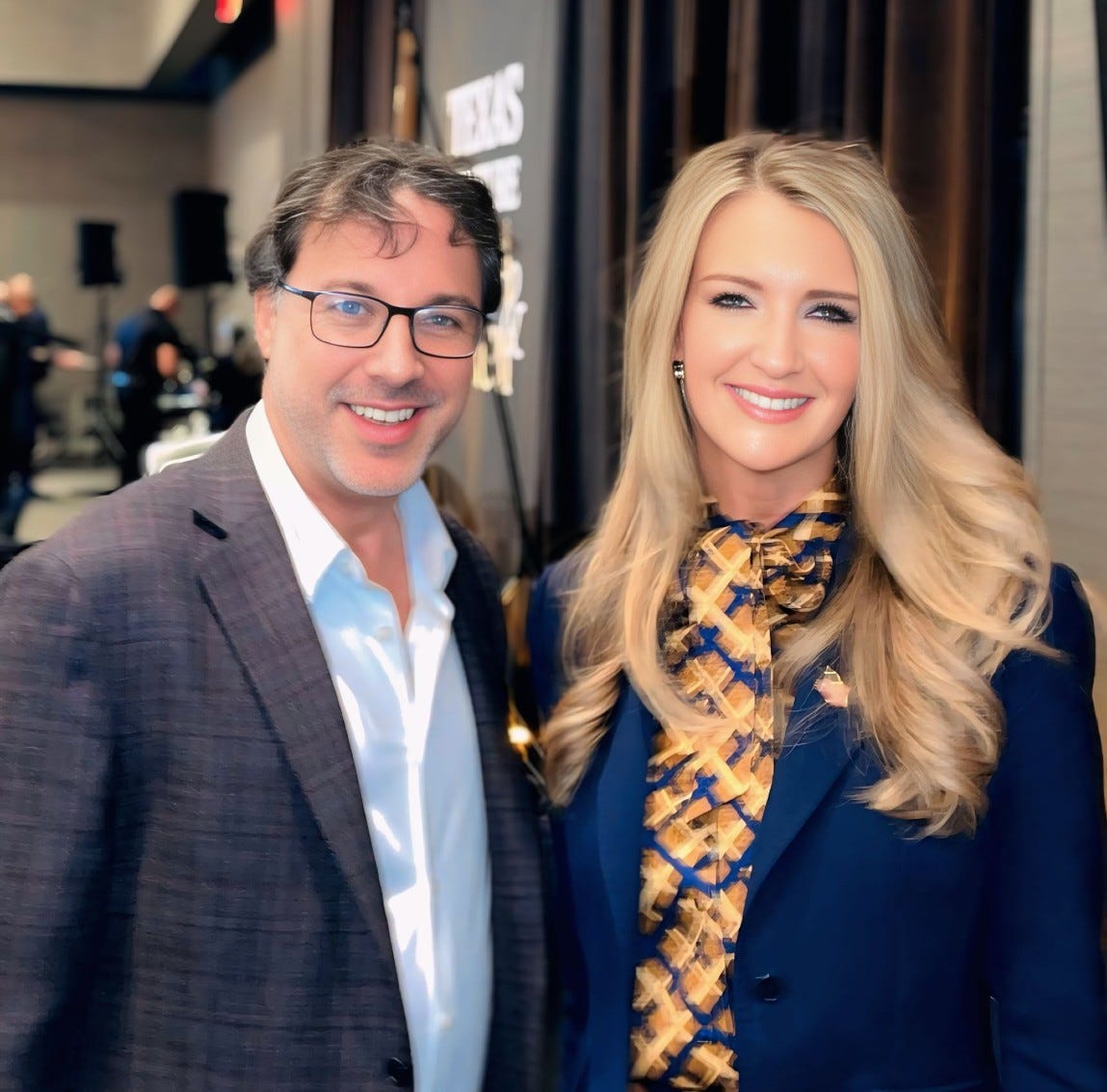
Today at the Texas Venture Forum in Austin, TX, we had the honor of hearing from the 28th Administrator of the U.S. Small Business Administration, Kelly Loeffler. Loeffler, a former business executive, co-owner of a WNBA team, and founder of a commodity exchange, now carries a unique blend of corporate, public, and policy experience to the SBA. Her presence in Austin wasn’t just symbolic; it was substantive. She came with clarity, candor, and conviction — and it’s about time.
Loeffler spoke at length about what she calls “New Collar Jobs,” a phrase that might sound like a rebranding exercise at first, but it’s anything but. In remarks echoed from past addresses, including during her time with Intercontinental Exchange and in her Senate speeches, Loeffler defined New Collar Jobs as the work of America’s skilled labor force — not necessarily armed with college degrees, but equipped with certifications, trade skills, and practical expertise. These are the jobs building our EV infrastructure, running logistics, maintaining AI-powered robotics, managing precision agriculture, and restoring America’s competitiveness in manufacturing. They are, in a word, essential.
What makes her framing powerful is that she ties it to a broader economic and political vision, under her leadership, unapologetically practical:
Increase access to capital
Reduce regulation
Incentivize trade schools
"Get the government out of the way so people can innovate, hire, and invest," she told the room, met with applause. Because here’s the truth: Trade schools are not the fallback plan for students who can’t “cut it” at university. They’re exceptional, focused alternatives, often leading directly to high-paying, high-demand careers. And with the student debt crisis still casting a long shadow, it’s time we celebrated those who pursue certifications over diplomas.
When pressed on why this triad of policy focus matters now, she added, “It can feel like we’re a country that worries about ‘what if’ instead of ‘what can be.’ Do more, reach higher, and celebrate success.”
The SBA has made significant inroads toward these goals. Between SBIR (Small Business Innovation Research) grants and the longstanding SBIC (Small Business Investment Company) program, the agency has tools to support everything from R&D to capital formation. Their new push in 2025 emphasizes regional engagement, streamlined applications, and partnerships with local lenders and ecosystem builders. But as Loeffler herself acknowledged, “We need people more like all of you, innovating and pushing Washington.”
That brings me to the real purpose of this article.
Increasingly Clear: Distinguish Between Startups and Small Businesses
I’ve spoken on this before. Occasionally written about it. But the conversation today — paired with recent developments in Europe — makes it all too clear: We’re at a turning point.
The European Union is in the process of relaxing restrictions on private equity, specifically to foster a more robust venture capital environment. Their reasoning? I'm sure it wasn't because I told them to, but it is to better emulate the U.S. startup ecosystem. What that implies, and what every serious government and policy strategist must recognize, is that there’s a fundamental difference between launching a startup and opening a business.
A startup is a temporary endeavor, designed to search for a scalable, repeatable business model. It is inherently uncertain. It often exists in stealth, loses money for years, pivots rapidly, and scales globally, if it survives at all. A small business, by contrast, is launched to operate. It’s a deli. A CPA firm. A local IT services company. Equally important, yes, but fundamentally different in purpose and policy need.
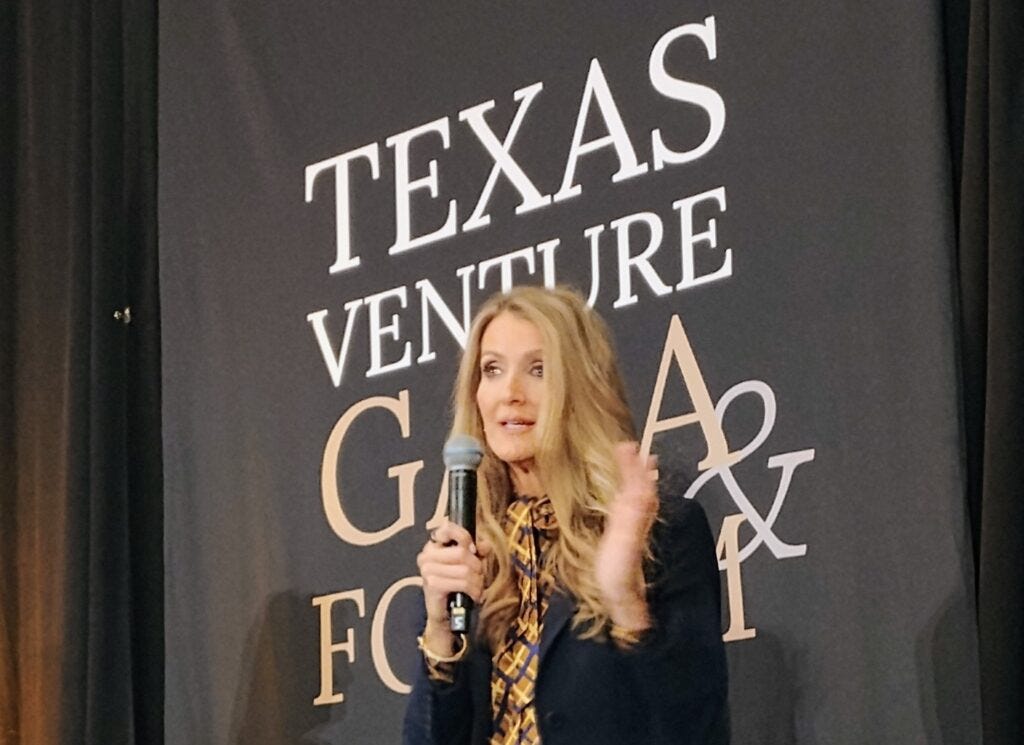
When Loeffler says, “We need people more like all of you,” she’s talking to the venture capitalists, the scrappy founders, the innovators who operate on hope, not spreadsheets. She’s recognizing, I think, that the startup economy isn’t just a wing of the small business world, it’s a different animal entirely. And if we want to support it, we need different cages, tools, and caretakers.
New Collar Workers who innovate, inspire, engineer, and create both the wealth and jobs that drive economies.
Startup White Paper
That’s why I’ve been so vocal about this issue. Because the more we confuse the two, the more we fail both. Investors misallocate. Universities miseducate. Governments misfire. And founders? They pay the price.
This startup white paper outlines the policy rationale, economic research, and operational differences between these two types of ventures. It provides a framework for how we might establish a distinct Office of Startups and Innovation within the SBA — one that treats innovation as a public good as it is starting to do, not just a buzzword.
The paper can be downloaded with an email address, and I invite policymakers, ecosystem leaders, and founders alike to give it a read. We can’t afford to build tomorrow’s economy with yesterday’s assumptions. The line is drawn. It’s time to act accordingly.